Uk
Uk Australia
 America
 Canada
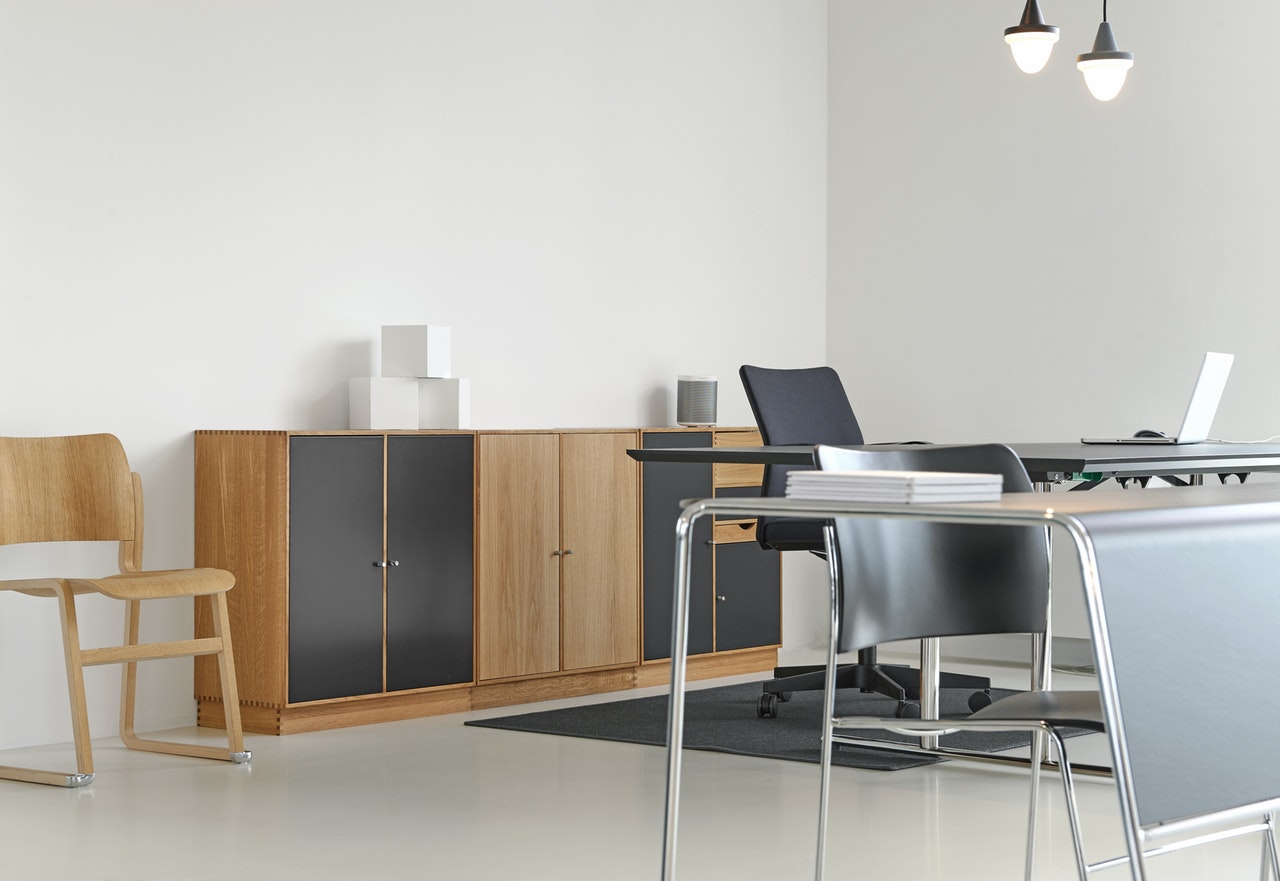
Five hospital trusts in Lancashire and South Cumbria have given unwanted office and ward furniture and clinical equipment a second life, saving more than £900,000 and reducing carbon emissions and waste.
Warp It was first piloted at Lancashire Teaching Hospital in 2015/16. After the scheme quickly proved its value by saving money while cutting waste and carbon the decision was taken to roll it out across other hospital trusts in Lancashire and South Cumbria. The regional rollout has since helped embed reuse into day-to-day operations, ensuring surplus items are put back into use rather than thrown away.
A spokesperson for the trusts said: “Reusing surplus items is a simple but powerful way to save money, reduce waste and make the most of the resources we already have. It benefits our staff, our patients and the wider community.”
Things that might once have been thrown away are now being reused across services and sites. The region now plans to roll out reuse to primary care, bringing the same savings, reduced waste, and carbon benefits to a wider part of the healthcare system.
The spokesperson added: “Reuse is also integral to supporting the NHS to meet its ambitious net zero goal and greatly helps our work in making a difference and prioritising sustainability. I’m proud to see reuse come to life in the five trusts.”
Reuse activity for the five trusts is expected to continue growing in 2026 providing a simple, effective way to make better use of resources, cut waste, and deliver measurable benefits.
Full details by trust
· East Lancashire Hospitals saved £406,273, prevented 165,176 kg of CO₂, and diverted 44,443 kg of waste, equivalent to planting 226 trees or taking 71 cars off the road.
· Blackpool Teaching Hospitals saved £47,189, prevented 19,462 kg of CO₂, and diverted 5,476 kg of waste, equivalent to planting 26 trees or taking 8 cars off the road.
· University Hospitals Morecambe Bay saved £82,149, prevented 27,743 kg of CO₂, and diverted 9,226 kg of waste, equivalent to planting 38 trees or taking 12 cars off the road.
· Lancashire Teaching Hospital*, which signed up in May 2015, saved £346,493, prevented 147,563 kg of CO₂, and diverted 47,508 kg of waste, equivalent to planting 201 trees or taking 63 cars off the road.
· Lancashire and South Cumbria NHS Foundation Trust saved £22,699, prevented 8,861 kg of CO₂, and diverted 3,864 kg of waste, equivalent to planting 12 trees or taking 3 cars off the road.